

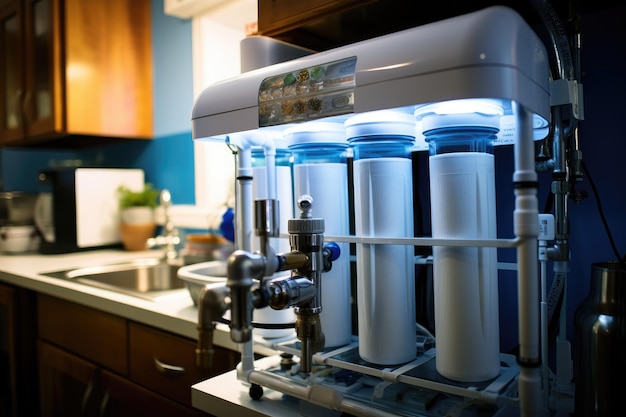
Understanding Automotive Filter
Learn the essential practices for maintaining your vehicle's filters to ensure optimal performance and longevity.Learn the essential practices for maintaining your vehicle's filters to ensure optimal performance and longevity.
Maintaining your vehicle's filters is crucial for ensuring optimal performance and extending the life of your engine. In this comprehensive guide, we'll cover everything you need to know about automotive filter maintenance.
Why Filter Maintenance Matters
Filters play a critical role in protecting your engine from contaminants. A clogged or dirty filter can reduce fuel efficiency, decrease engine performance, and even cause long-term damage to your vehicle.
Types of Automotive Filters
Air Filters
Air filters prevent dust, debris, and other particles from entering your engine. They should be inspected every 12,000-15,000 miles and replaced as needed.
Oil Filters
Oil filters remove contaminants from your engine oil, helping to keep your engine running smoothly. Most manufacturers recommend changing the oil filter with every oil change.
Fuel Filters
Fuel filters prevent impurities in the fuel from reaching the engine. They typically need replacement every 20,000-40,000 miles.
Cabin Air Filters
Cabin air filters clean the air that enters your vehicle's interior through the heating and air conditioning system. They should be replaced every 15,000-25,000 miles.
Best Practices for Filter Maintenance
- Follow your manufacturer's recommendations for filter replacement intervals
Use quality replacement filtersthat meet or exceed OEM specifications- Inspect filters regularly during routine maintenance checks
- Don't ignore warning signs like reduced performance or unusual engine sounds
Maintaining your vehicle's filters is crucial for ensuring optimal performance and extending the life of your engine. In this comprehensive guide, we'll cover everything you need to know about automotive filter maintenance.
Why Filter Maintenance Matters
Filters play a critical role in protecting your engine from contaminants. A clogged or dirty filter can reduce fuel efficiency, decrease engine performance, and even cause long-term damage to your vehicle.
Types of Automotive Filters
 .
.
Best Practices for Filter Maintenance
- Follow your manufacturer's recommendations for filter replacement intervals
- Use quality replacement filters that meet or exceed OEM specifications
- Inspect filters regularly during routine maintenance checks
- Keep records of when filters were last replaced
- Don't ignore warning signs like reduced performance or unusual engine sounds
Related Insights
Optimizing Your Auto Parts Inventory
Learn effective strategies for managing auto parts inventory to improve efficiency and reduce costs.

Understanding Automotive Filter Maintenance
Learn the essential practices for maintaining your vehicle's filters to ensure optimal performance and longevity.
The Ultimate Guide to Engine Parts
Explore the critical components that keep your engine running efficiently and how to maintain them.